


Cécile Vermeil, Head of Human Resources · June 12, 2023
We often talk about self-responsibility: the ability to take ownership of our actions and decisions and to accept the consequences that come with them. And there is a reason for that.
Self-responsibility is a mindset essential for personal growth and development. It helps build self-confidence, improve relationships, embrace a culture of accountability, and make positive changes in the world.
But we are not really born with the mindset of self-responsibility; we develop it. Various factors, such as upbringing, personal values, and culture, can influence our fundamental level of self-responsibility. And some people may struggle with it due to circumstances surrounding the pressure of society, lack of support, or mental health issues.
how do we develop self-responsibility?
Developing self-responsibility requires consistent effort and practice through self-reflection and self-awareness. And in the process, allowing ourselves to be humble and vulnerable. While self-responsibility is a vital aspect of personal growth and development, it takes courage to fully embrace it and stay committed to it and willingness to step out of one’s comfort zone. And this can be challenging because it requires us to honestly look within, be honest with ourselves, acknowledge our strengths and weaknesses, confront our mistakes, and make necessary changes.
Courage is a mindset that allows us to push through fear and doubt and act in line with our commitment to a goal or belief; it is not the absence of fear but the ability to act despite it.
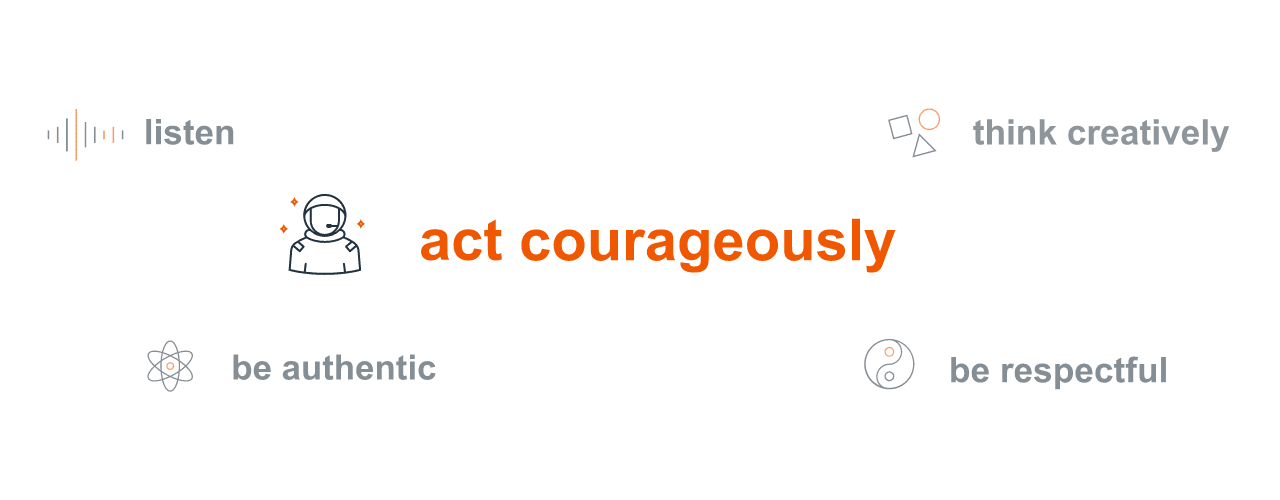
As one of Itecor’s values, we believe acting courageously is imperative in fulfilling our full potential and living a better life. We encourage our collaborators to show courage in their work and always act self-responsibly in their professional life.
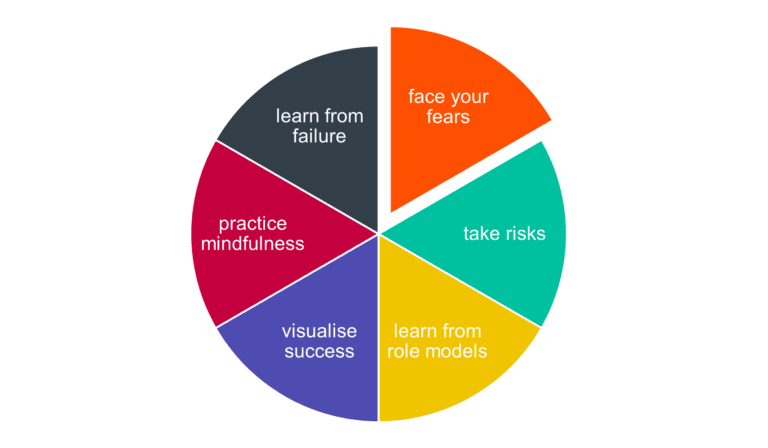
Face your fears: One of the best ways to develop courage is to face your fears head-on. Identify the things that scare you and plan to expose yourself to them. And ask yourself, “what do I really risk?”
Take risks: Taking risks helps build courage – it teaches us how to cope with uncertainty and failure. Start small by taking risks in low-stakes situations and gradually increase the risk level.
Learn from role models: Surround yourself with people who embody courage and observe how they handle difficult situations. They can help inspire and motivate you to develop your own courage.
Visualise success: Visualisation techniques or mental rehearsals can help reach one’s goals. Imagining oneself succeeding under challenging situations can help to build confidence and courage.
Practice mindfulness: Mindfulness can help you stay present in difficult situations and understand and deal with your emotions.
Learn from failure: Failure can be a powerful tool for developing courage. Be kind to yourself during difficult times and see failure as an opportunity to learn from your mistakes and become more resilient.
will you choose courage or comfort?
Developing self-responsibility is essential for personal growth and navigating the complex social and political landscape. By developing and cultivating these qualities, we can become a better version of ourselves, better humans, citizens and leaders.
When we dare to act and pursue our goals, we often find that we have a greater sense of control over our lives and are better able to achieve our aspirations. This sense of action and authority can lead to feelings of empowerment and self-determination.
Being courageous and taking responsibility for your actions will help you achieve your full potential and live a more fulfilling life. You can experience a level of growth that you never thought was possible.